

What does a tenant do when served with a Schedule of Dilapidations?
Whatever your circumstances please feel free to call me for a completely free, without obligation telephone consultation. If I can help you, I will explain how. If you decide to appoint me, I can discuss fee options, to include an incentive-based fee, based upon the ‘savings’ that I can achieve on your behalf in respect of the claim being made. But before calling, please read on as I outline some of the complexities of dilapidation claims and their successful resolution…
I can help you with;
- Contract Administration
- Dilapidations
- Insurance Claims
- Party Wall matters
- Project Management
- Conversion
- Refurbishment
- Design & Build
- Defect Diagnosis
- Development Monitoring
What is a Schedule Of Dilapidations?
For many tenants, the first time they become aware of their dilapidations liability is when the landlord sends round a surveyor to inspect the premises towards the end of the lease, and then a Schedule of Dilapidations is served. Often the schedule has been priced by the surveyor and the bottom-line figure, that may include for surveyor’s fees, loss of rent and other incidental costs, becomes a cause for serious concern. As a very rough guide, it is often found that priced schedules equate to the equivalent of a year’s rent or thereabouts.
What does the tenant do now?
They could simply agree the schedule and send the landlord payment, and then hope to vacate the premises at lease expiry without being worried by the landlord any further. However, the landlord’s surveyor may find further disrepair once the premises has been fully vacated and a second schedule may be served detailing these additional disrepairs with a further monetary demand.
The sensible tenant will engage their own surveyor to review the landlord’s schedule and challenge contestable items and generally consider the legitimacy of the claim being made. Usually, items in the schedule can be successfully challenged, and in a few cases the whole claim can be thrown out, for example if the landlord has plans to redevelop the premises or similar.
If the schedule has been served before lease expiry and there is sufficient time, then the tenant has the option of undertaking the alleged disrepairs themselves in order that repairs can be carried out as economically as possible, with view to handing back the premises in full repair. Repairs can often be carried out at half of the surveyor’s estimated price.
Heading
If the schedule has been served after lease expiry, then the tenant will be unable to re-enter into the premises to carry out any works unless permission is expressly granted by the landlord (and this is a relatively rare occurrence). The claim can be settled by negotiation of an amicably agreed cash sum. However, this is exactly what the landlord wants – the tenant’s cash without doing any of the disrepair works!
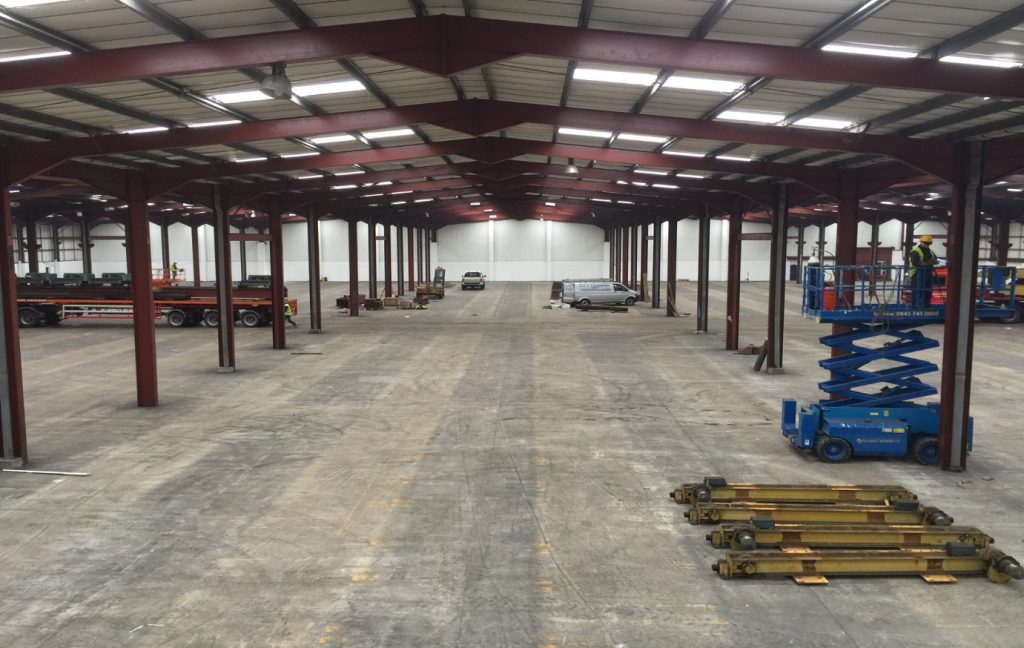
For a landlord to be successful with any dilapidation claim they will need to be able to ‘demonstrate their loss’. This is usually done by carrying out the alleged dilapidation works and producing the invoices for the works and any associated costs incurred (such as surveyor’s & solicitor fees). Even where the landlord takes this approach the tenant is still able to challenge items that are considered to fall outside their lease obligations. For example, if the landlord replaces vinyl flooring with carpet tiles, this would be considered ‘betterment’ and therefore not a recoverable cost, similarly, if something is replaced when it could have been economically repaired.
If the landlord does not carry out any of the alleged dilapidation works then they may produce a claim for a ‘diminution of value’. Here the landlord will present valuations of the building ‘in repair’ and ‘in disrepair’ with the difference representing the diminution in value resulting from the tenant’s failure to comply with their lease obligations. Once again, the landlord’s valuations can be challenged if the tenant instructs their own valuer to prepare diminution figures on their behalf.
Heading
In most situations the tenant’s best option is to adopt a ‘wait and see’ approach, because the landlord’s actions after lease expiry play a crucial part with all dilapidation situations. Essentially, the landlord’s priority will be to re-let the premises as soon as possible in order to quickly restore the rental income, wherever possible without spending any money on repairs. If a re-letting is readily achieved at a good rental, then the landlord is less likely to aggressively pursue the claim, and usually the validity of the claim will be significantly diminished if no, or only limited repair works have actually been carried out.
What should be clear reading through the above paragraphs is that there are no easy answers or simple solutions to dilapidation claims. All claims are unique because of the constant variables relating to following; the premises; the landlord; the tenant; the surveyors involved; etc.
If all tenants entered into lease agreements having read and understood the lease terms and conditions they would not be surprised when the schedule of dilapidations is served. Unfortunately, most tenants have not read the lease, and most tenant’s solicitors do not adequately explain the lease term and conditions before asking the tenant to sign.
Most commercial leases place the following obligations on the tenants:
- To put or keep the premises in repair, or good tenant-able condition.
- To redecorate internally & externally during the last year of the term.
- To remove all alterations.
- To replace fittings and fixtures.
- To clean all non-decorated surfaces.
- To comply with statute.
- To yield up the premises in compliance with the above terms.
- To pay the landlord’s surveyors and legal costs.
Tenants often object to schedules based on the following:
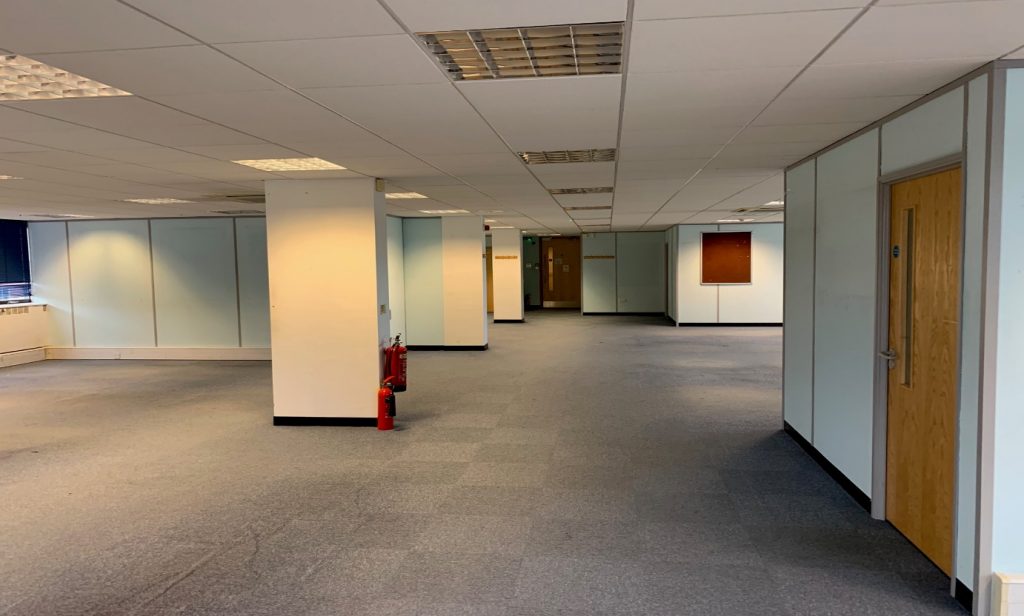
- The premise was not newly decorated at lease commencement so why should we redecorate?
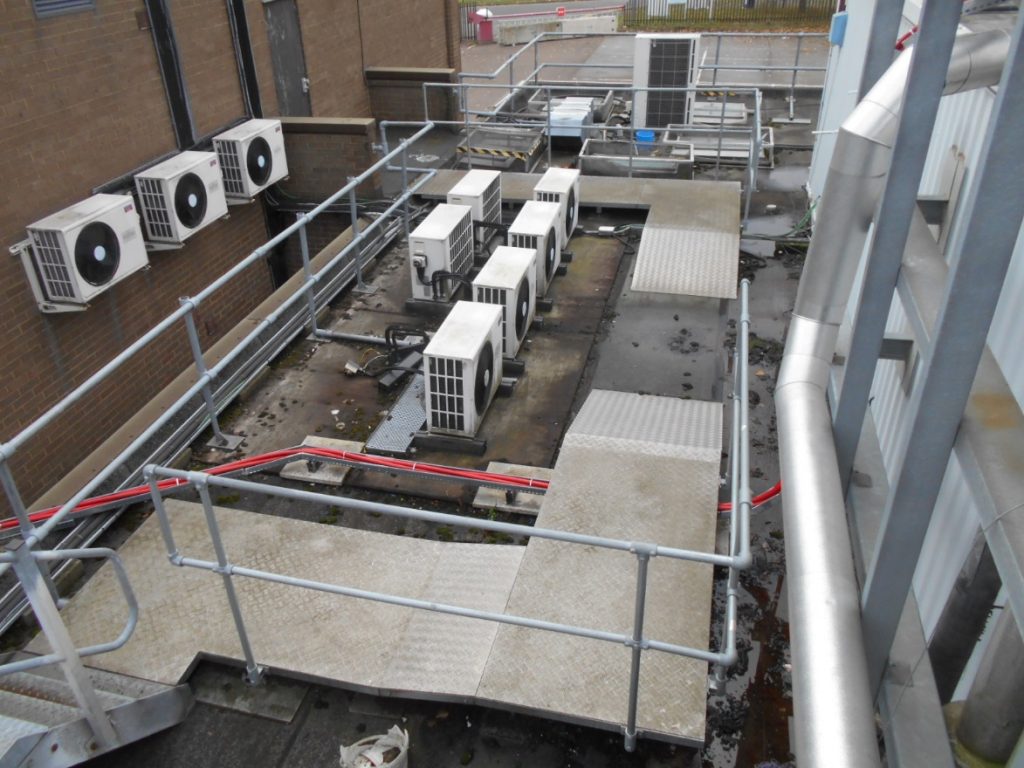
- The boiler (or any other service appliance) was not working at lease commencement so why should we repair or replace it?
- The alterations pre-date our lease so why should we remove them?
- The roof was leaking at lease commencement so why should we repair it?
- We were not provided with an electrical test certificate (or other service installation certificate) at lease commencement so why should we provide one?
- The carpet tiles were marked and worn at lease commencement so why should we replace them?
- We are surely not responsible for upgrading the premises to comply with statute?
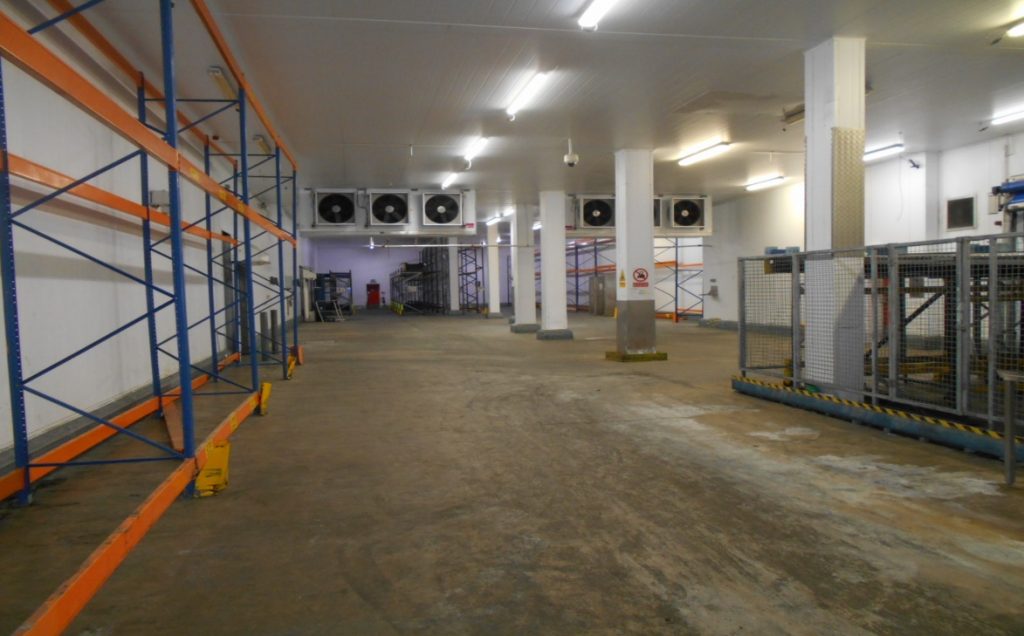
- The external cladding, warehouse soffit, rooflights, (etc. etc.) were dirty at lease commencement so why should we clean them?
However unfair it may seem, none of the above represent legitimate defences. To mount a legitimate challenge the tenant needs to engage their own surveyor who understands the intricacies dilapidations.
Limiting Dilapidation Liability
The tenant’s best opportunity for limiting dilapidation liability comes before they enter into a new lease agreement. At this time, the tenant has every opportunity of negotiating fair and reasonable terms and conditions. For example, if the draft lease requires the tenant to redecorate in the last year of the term, then the tenant should insist that the premises is freshly decorated before lease commencement OR the redecoration clause is removed from the lease. The tenant should have the electrics (and other service installations) operated and tested and put into repair by the landlord prior to lease commencement. The tenant should also have the building professionally surveyed, to include a roof top inspection. Without prior knowledge of the condition of the premise the tenant effectively takes on liability for repairing all existing disrepairs as soon as the lease commencement. In my experience, I find that tenants are generally unaware of the lease obligations that they are entering into at lease commencement, hence their shock when a schedule is served at lease expiry.
The tenant’s repairing liabilities when leasing an older building in disrepair can be considerably protected if there is a Schedule of Condition prepared and appropriately referenced in the lease. If properly prepared the schedule of condition will record all existing disrepairs and exclude the tenant’s liability to repair or at least restrict the liability to reflect the further deterioration that may occur during the lease term. Unfortunately, many Schedules of Condition are poorly prepared and consequently do not truly represent the pre-lease condition of the premises. Often, tenants that do have a schedule of condition attached to their lease think that it offers blanket protection from any dilapidation liability – this is completely wrong, because dilapidation liability will almost certainly accrue during the lease terms through use, aging, wear and tear, etc. however well the schedule of condition recorded the pre-lease condition of the premises.
In my experience, the tenant’s main concern when agreeing a new lease relate to the rent being paid and the logistics associated with moving in and commencing their business practices. For most landlord’s, property IS their business and they strive to ensure that they get the best possible lease conditions to protect their interests. Because most tenants fail to challenge lease terms the landlord’s terms are usually blindly accepted as being common practice or ‘the norm’. lease wording IS negotiable and should be bespoke for every lease. Tenants should make the effort of reading the lease to understand their obligations and seek to change anything that is not fair and equitable – otherwise face the consequences in due course. It is surprising what landlord’s will actually agree to do to achieve a letting, all the tenant needs to do is ask! In my experience, tenant’s should not rely upon their solicitors to fully protect their interests. For example, if a Schedule of Condition is prepared and this records poor decorative condition, why is a redecoration clause agreed? I have seen this drafting error time and time again, and decoration often accounts for up to 50% of a dilapidation claim.
Get in touch today
If, after browsing this site, you feel any of the services I offer may be of interest to you, please contact me by dropping me an email at mmhowdle@btinternet.com, alternatively you call me on 07711 127161.